

Figma
Design ideas, wireframes, and prototypes.
Repeat
Design ideas, wireframes, and prototypes.
 Lovable
 Supabase
Build the backend and implement functionality.
 Claude
Together: Refine features, fix bugs, and analyze to improve.

Version control, collaboration, and code management.

UI design, design systems & customization.
Iterate, improve, and ship.
Splitting money with friends shouldn't feel like a transaction. But every app built for it treats the problem like accounting, not like a relationship.
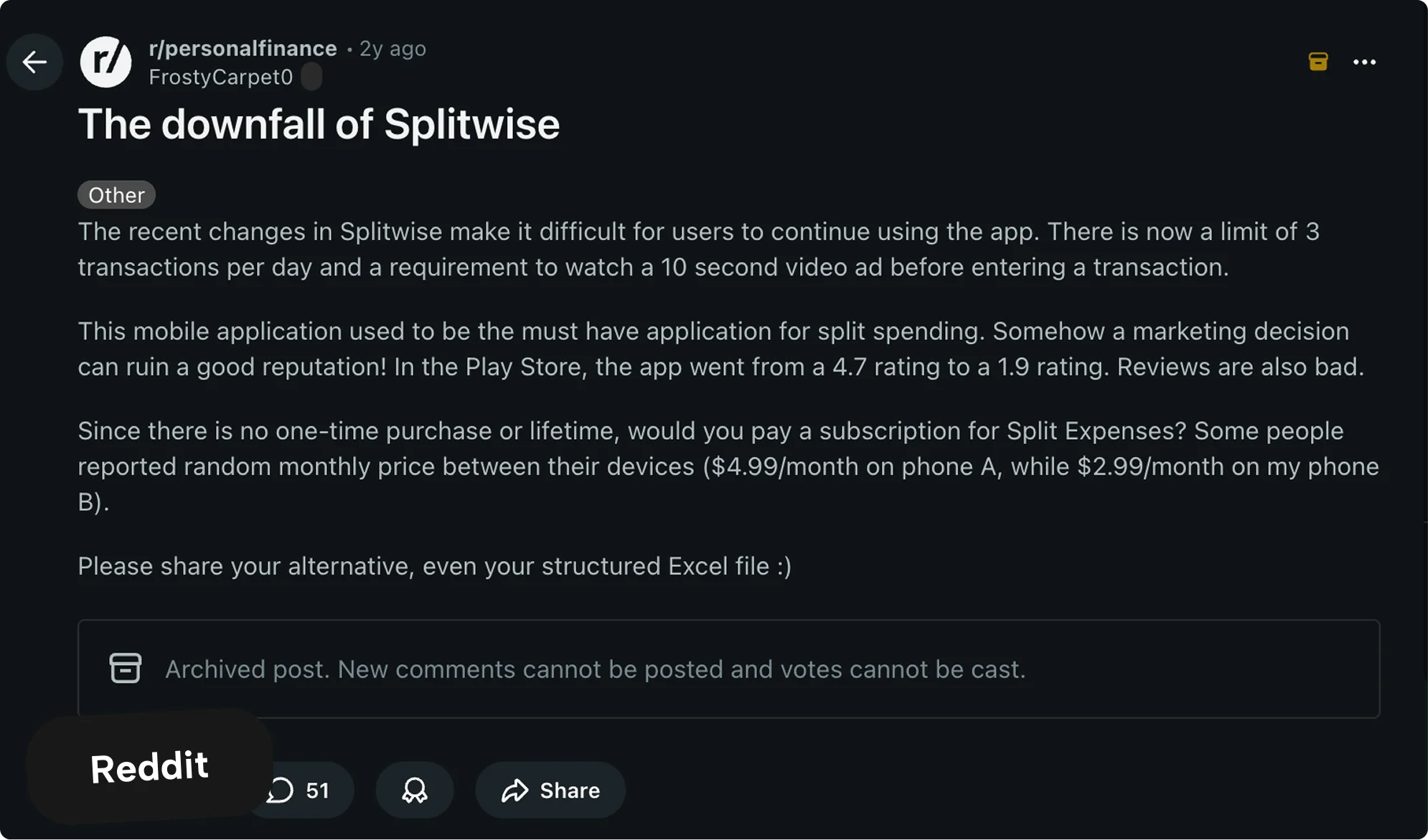
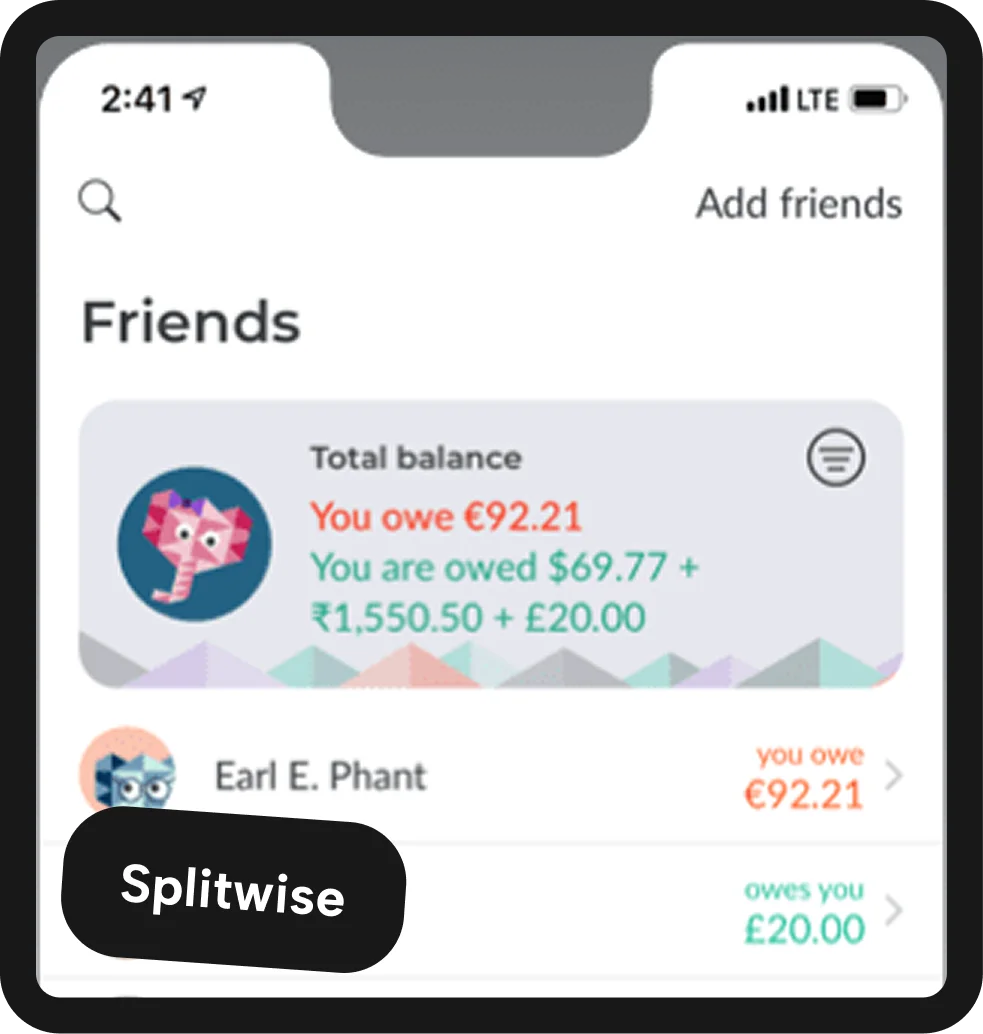
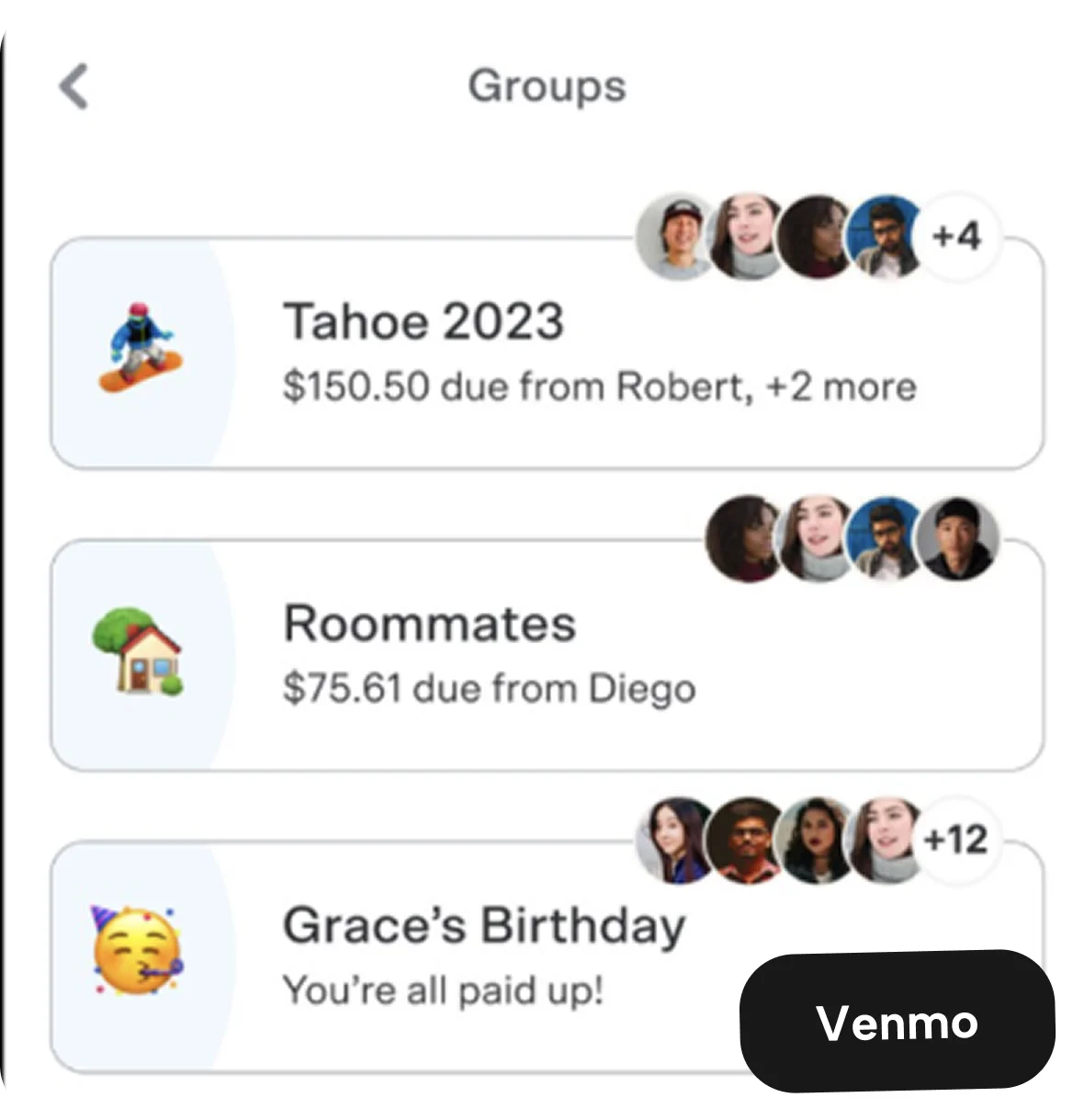
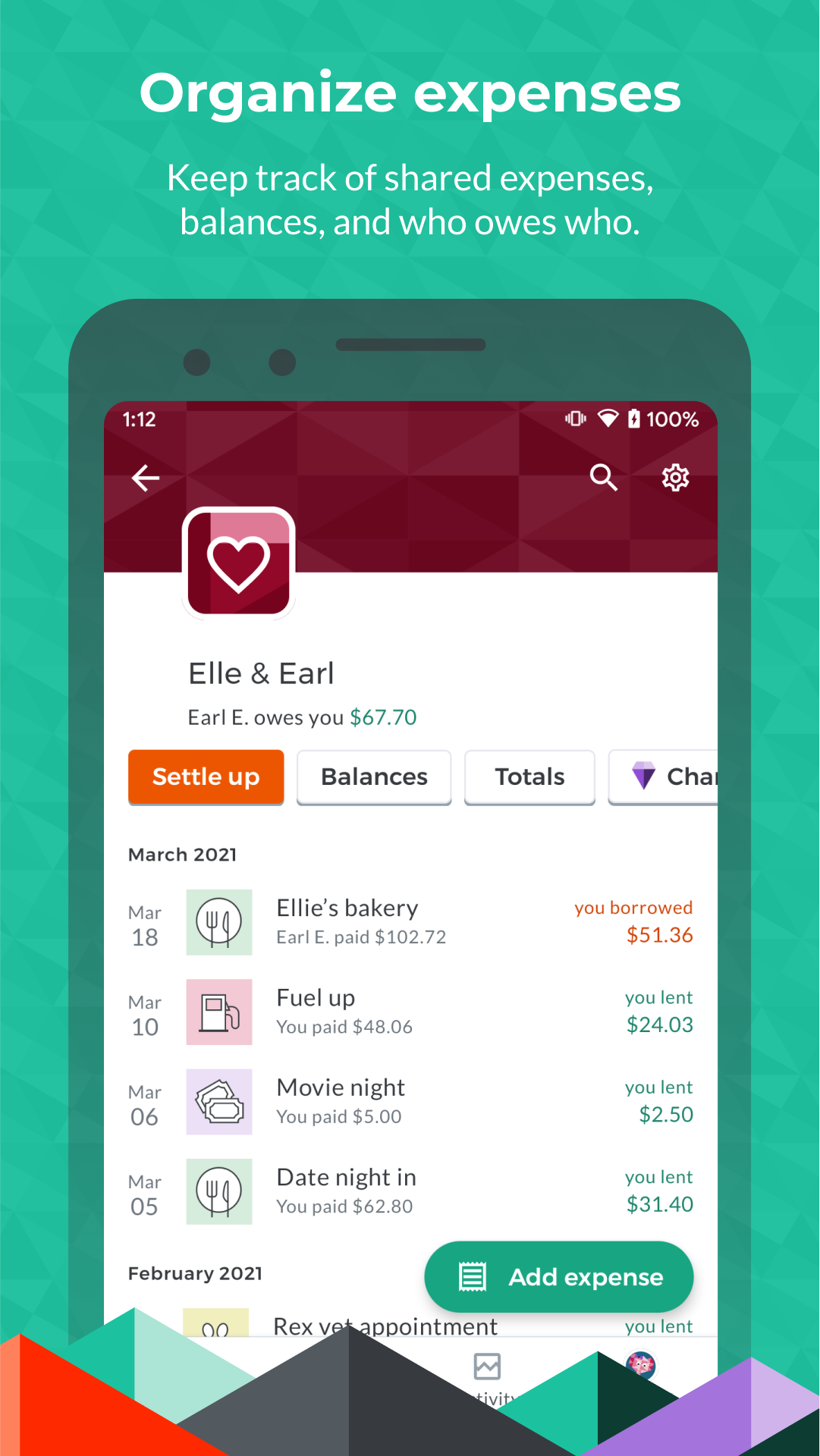
#1 biggest competitor biggest competitor biggest competitor biggest competitor
I went through 200+ App Store and Reddit reviews. The same words kept showing up: nagging, petty, transactional, awkward. More than 20% described an immediate sense of anxiety when the app was in view. Nearly 40% felt like the app was making them cheap by being so precise about every cent. The app is good at math. It's not good at friendships.
It started as a personal frustration. Then I wanted to see if other people felt the same way. I looked at Splitwise, Tricount, and Venmo. I read through App Store reviews, Google Play, Reddit. Over 200 data points later, the pattern was clear.
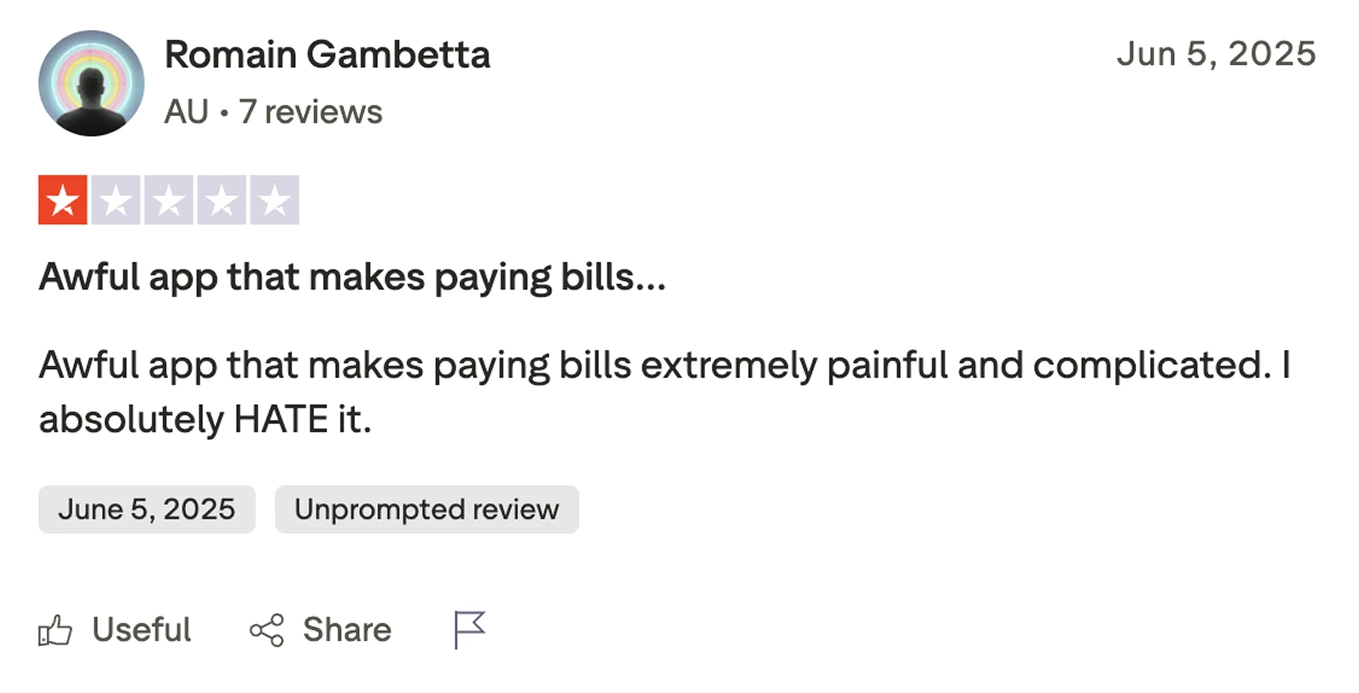
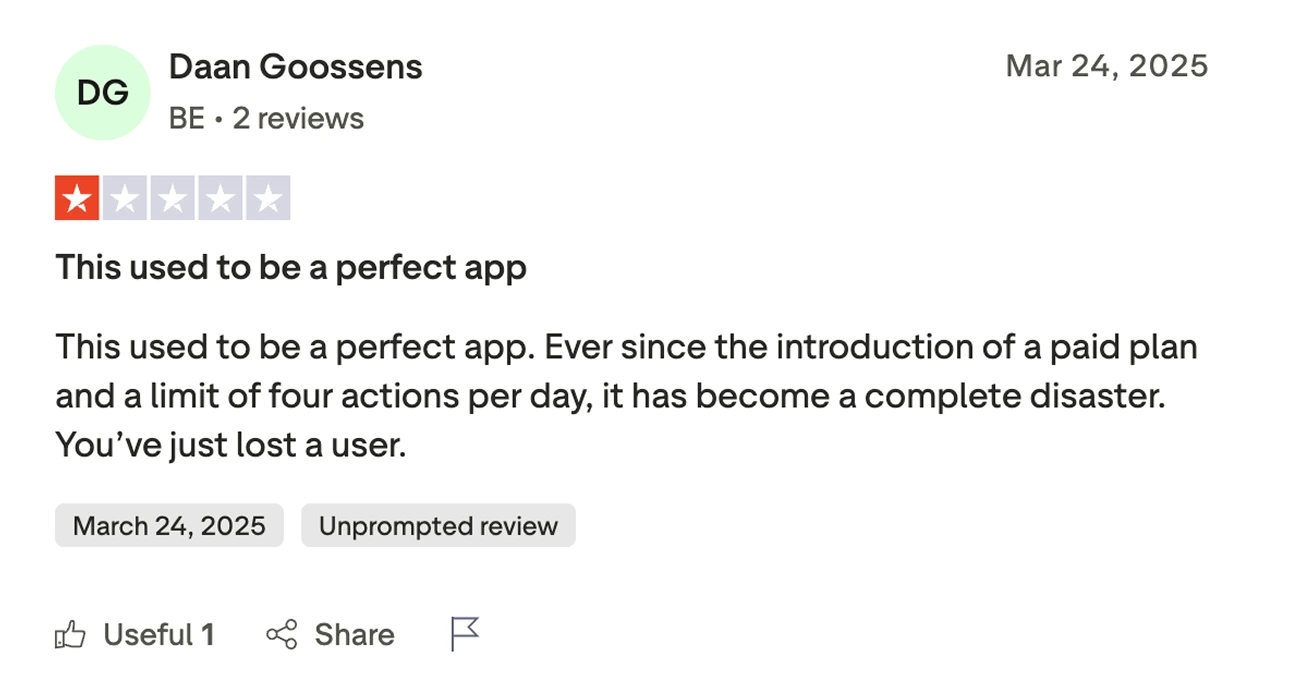
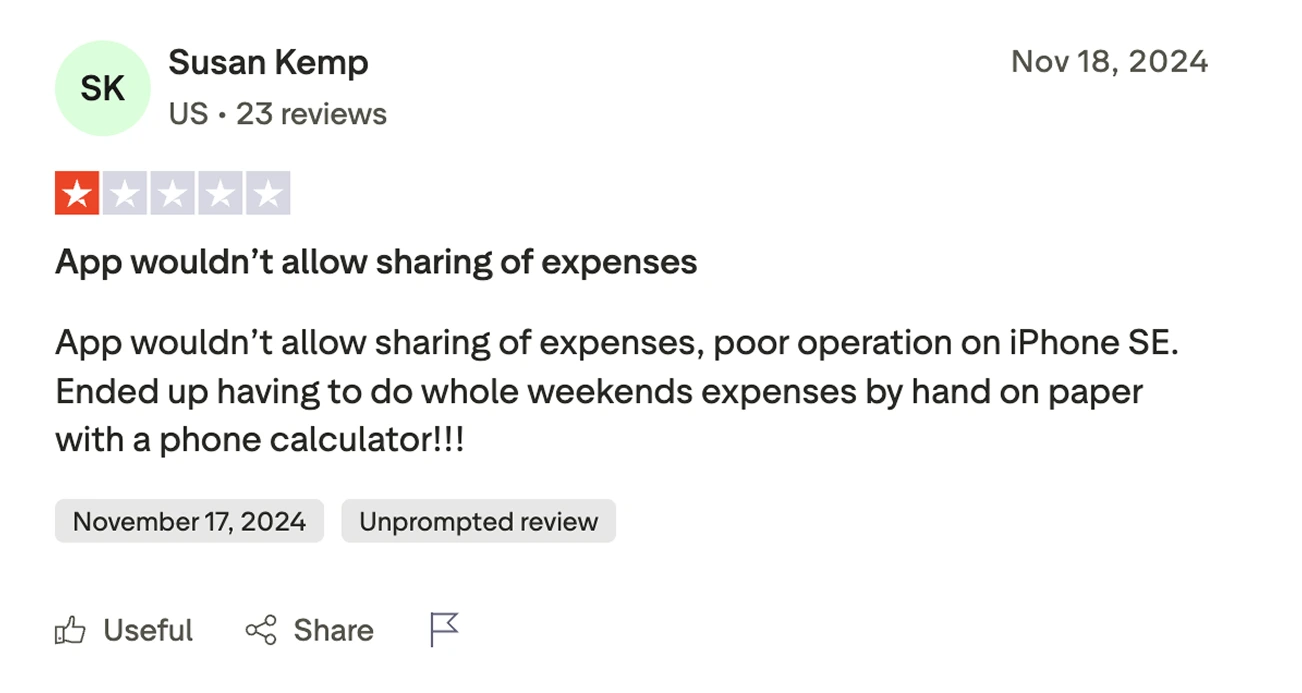
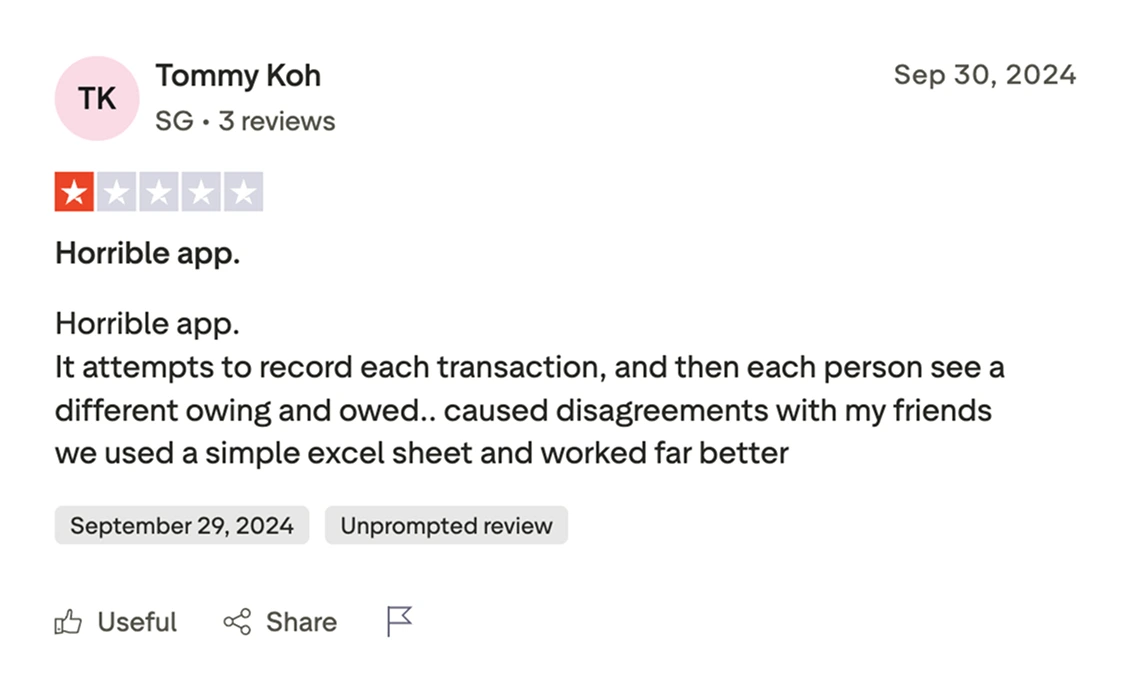
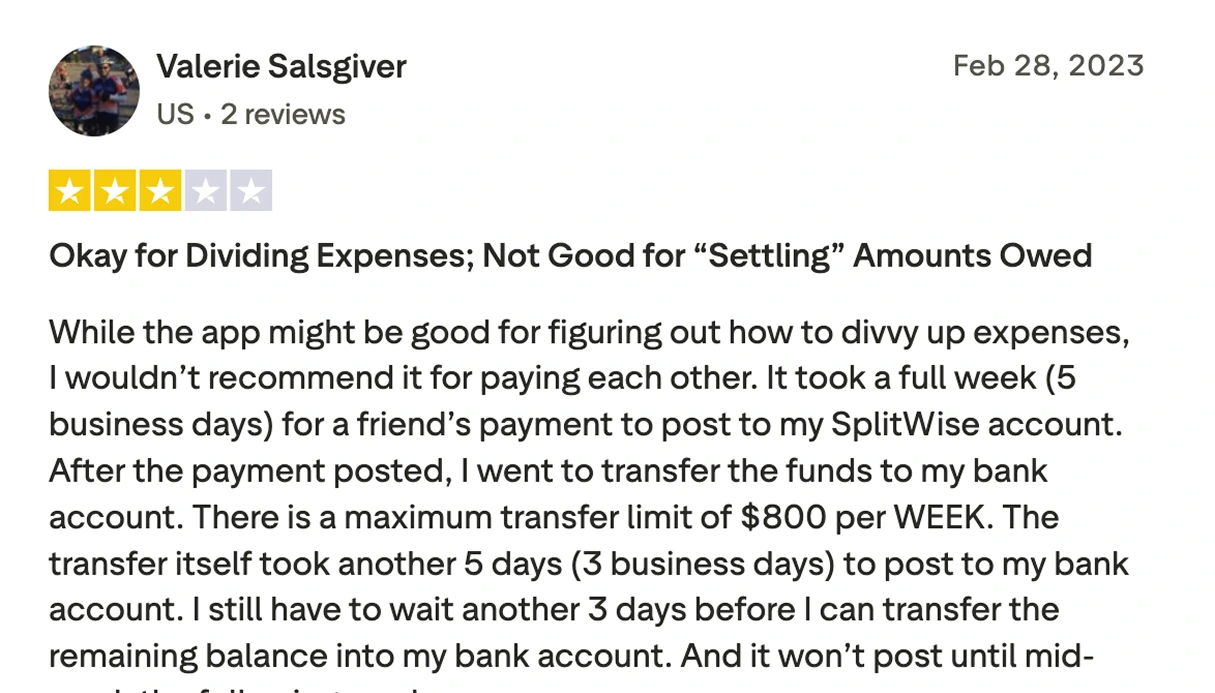
People don't want a debt collector in their pocket. Every existing app confuses being fair with being good. People want good. Close enough on the math is fine.
The job isn't "split this bill." It's "don't let money make things weird between us."
What if splitting money actually felt like it was about the people and not the numbers?
Bountt has one hard language rule: no debt framing.
The trade-off was precision. “Pays” instead of “is responsible for.” “Covers” instead of “liable.” The math stays clear, the obligation disappears.
Debt simplification + transparency layer. Bountt settles everything in the fewest possible payments and puts the full picture on the table for everyone to see.
Trade-off was privacy. The whole group sees the whole balance, not just their own slice.
Gentle nudges. Bountt never interrupts. A socially aware smart card surfaces quietly if something has been sitting too long, nothing more.
The trade-off was urgency. The app stays polite but has no teeth if someone just doesn't open it.
The biggest product decisions on Bountt weren't about what to build. They were about what to leave out. Every "no" in this project, no reminders, no red colour, no debt language, was harder to stand by than any "yes." The constraint is the product.
Signup is the biggest point of friction in Bountt right now. I know it. It's the first thing I want to fix, removing the gate entirely while keeping the app secure underneath.
Using AI to build faster doesn't replace thinking clearly. Every part I hadn't thought through properly became a problem. Every decision I hadn't explained clearly enough drifted in the wrong direction. The tools are good, but the thinking still has to come from you.